Elevate Your E-Commerce Game With Comprehensive Analytics Tools
In the competitive landscape of e-commerce, data analytics platforms have become essential for firms striving to prosper. These tools provide valuable insights into customer patterns, inventory management, and targeted marketing strategies. As enterprises work toward efficiency and revenue growth, knowing the right metrics and solutions can make a meaningful impact. What specific strategies can organizations implement to maximize these insights and remain competitive with the rivals? The responses may reshape their direction.
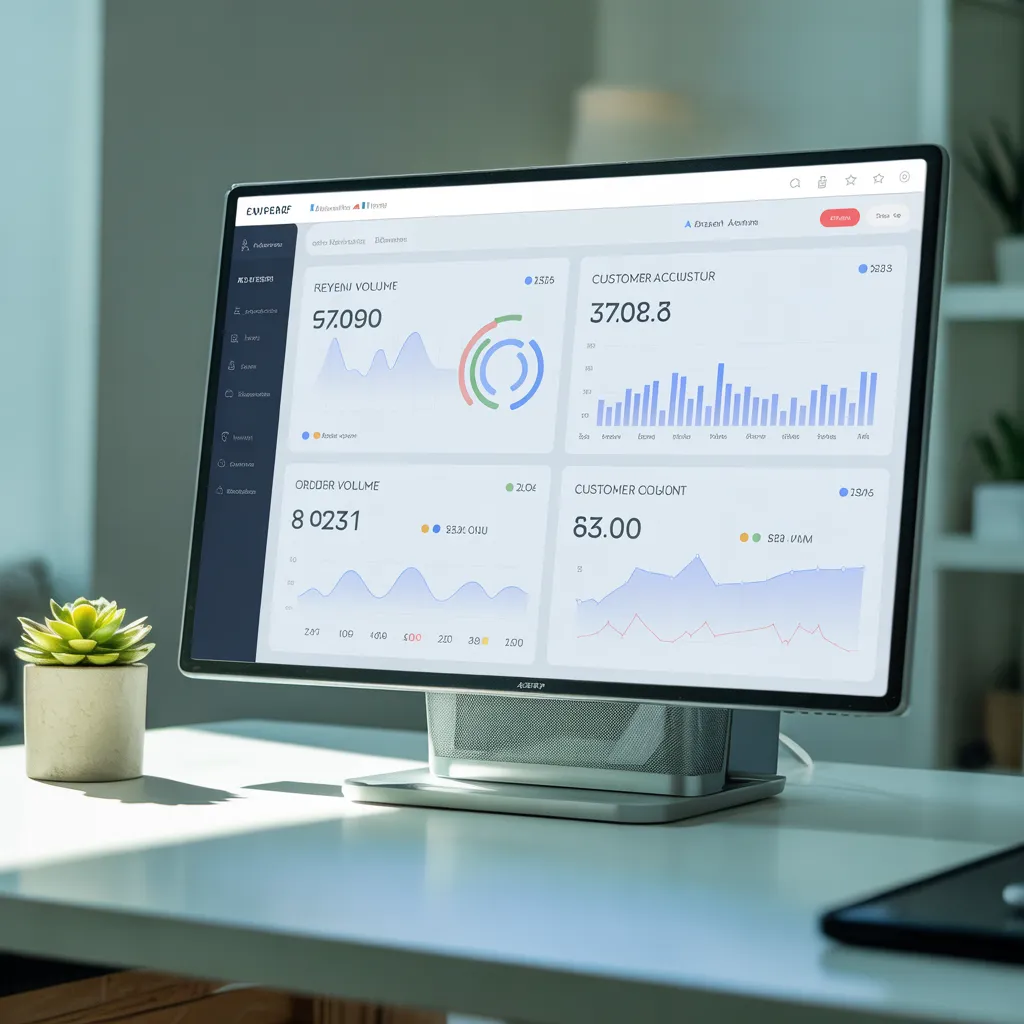
Why E-Commerce Businesses Need Analytics to Thrive
E-commerce companies are increasingly relying on analytics to navigate a competitive landscape. The swift growth of online shopping has boosted competition, making it important for companies to utilize data-driven insights. By copyrightining consumer behavior, businesses can detect trends, preferences, and buying patterns that inform marketing strategies and product offerings. This analytical approach helps businesses to optimize their inventory management, ensuring that popular items are always in stock while minimizing overstock of less popular products.
Additionally, analytics enable targeted advertising, enabling businesses to reach specific demographics efficiently. Comprehending customer journeys through data assists in improving the user experience, reducing cart abandonment rates, and boosting conversion rates. In an environment where consumer preferences can shift quickly, businesses that harness the power of analytics are better positioned to adjust and thrive. Ultimately, analytics serve as a essential tool for e-commerce businesses seeking to improve decision-making and maintain a competitive edge.
Critical E-Commerce Metrics for Information-Guided Decisions
Data-driven choices copyrights on the ability to track and interpret important KPIs that reveal the health of an online business. Vital e-commerce measurements include conversion rate, which measures the percentage of visitors making purchases; average order value (AOV), indicating how much customers spend per transaction; and customer acquisition cost (CAC), reflecting the investment needed to attract new buyers.
Moreover, metrics including shopping cart dropout rate supply insights into potential barriers in the checkout flow, while CLV helps determine the sustained profitability of a customer. Source channels, whether organic, sponsored, or recommendation-based, serve an significant role in evaluating promotional effectiveness. Understanding these metrics enables e-commerce companies to enhance approaches, improve marketing efforts, and elevate user satisfaction. By emphasizing on these vital KPIs, companies can make informed decisions that drive expansion and financial returns.
Determining the Optimal Analytics Tools Meeting Your Needs
Choosing the appropriate analytics tools is crucial for businesses aiming to leverage insights from their KPIs. Organizations must first assess their unique requirements, taking into account factors such as amount of data, ability to integrate, and user-friendliness. A range of solutions exists, ranging from comprehensive platforms that offer complete solutions to focused software addressing niche measurements.
Budget limitations also matter significantly; enterprises should scrutinize rate structures to confirm they are deploying capital strategically. Scalability is another fundamental aspect, as firms need solutions that can advance alongside their organizational growth.
Furthermore, the ability to customize dashboards and reports can enhance the relevance of insights generated. Training resources and user support should not be ignored, as proper implementation often determines the success of an strategy for analytics. By carefully evaluating these elements, companies can choose the analytics tools that best match their objectives and operational requirements.
Studying Client Behavior Efficiently
Recognizing consumer conduct is vital for driving sales and enhancing user experience. Comprehensive analysis involves collecting and analyzing data from multiple interaction points, including website interactions, purchase histories, and customer feedback. By utilizing robust analytics tools, e-commerce businesses can identify trends in customer preferences, such as popular products and seasonal buying patterns. Moreover, segmenting customers based on demographics and purchasing behavior allows for more targeted insights.
Important indicators such as conversion percentages, exit rates, and cart abandonment rates offer valuable information on user engagement and areas of friction in the shopping journey. Additionally, heatmaps can uncover which sections of a web page attract the most focus, directing design improvements. By synthesizing this data, companies can create an comprehensive understanding of their customers, ultimately resulting in informed decisions that improve the overall shopping experience and promote expansion.
Using Data Analysis for Customized Marketing Strategies
In the realm of e-commerce, data analysis plays an crucial role in shaping personalized marketing strategies. By utilizing data-driven audience segmentation, businesses can identify specific customer groups and customize content delivery accordingly. Additionally, predictive behavior analytics allows marketers to anticipate customer needs, improving engagement and conversion rates.
Information-Based Target Grouping
Data-driven customer segmentation serves as a foundation for effective personalized marketing strategies. By leveraging analytics, e-commerce businesses can categorize their customers into distinct segments based on behaviors, preferences, and demographics. This accurate segmentation allows marketers to tailor their campaigns, ensuring that messages resonate with specific audiences. For instance, data insights can reveal which products appeal to certain demographics, enabling targeted promotions that enhance engagement and conversion rates. Additionally, understanding customer journeys through data analysis empowers brands to optimize their marketing efforts, driving higher retention and loyalty. Ultimately, employing data-driven audience segmentation not only enhances customer experience but also maximizes marketing ROI, making it an essential practice for any e-commerce entity aiming to thrive in a competitive landscape.
Bespoke Resources Delivery
Effective customer segmentation creates the path for tailored content delivery, that is important in personalized marketing strategies. By using analytics, businesses can detect particular customer profiles based on preferences, behaviors, and demographics. This data enables the creation of content that resonates with specific segments, enhancing engagement and conversion rates. For copyrightple, targeted email campaigns can provide personalized product recommendations, while dynamic website content adjusts to user interactions in real time. Furthermore, analytics insights allow companies to improve their messaging, ensuring it matches the interests of their audience. In the end, personalized content delivery builds stronger customer relationships and increases loyalty, positioning e-commerce brands for lasting success in a competitive market.
Predictive Behavior Insights
Revealing insights from predictive behavior analytics empowers e-commerce businesses to craft highly personalized marketing strategies. By studying customer data, businesses can recognize patterns and trends in consumer conduct, enabling anticipation of future buying decisions. Such predictive power facilitates precise marketing campaigns, like tailored product advice and individualized promotions, which markedly boost customer involvement. Furthermore, comprehending individual preferences enables organizations to improve advertising expenditure, making sure marketing messages reach the suitable audience at the correct time. As a result, predictive behavior analytics not only fosters stronger customer relationships but also drives conversion rates and revenue growth. Amidst a growing competitive landscape, harnessing these insights is indispensable for continued success in e-commerce.
Ways Business Intelligence Can Aid You in Handling Inventory Better
Analytics functions as a important element in enhancing inventory management through utilizing demand forecasting approaches. These techniques allow organizations to forecast upcoming product needs based on past data and market movements. Furthermore, inventory turnover analysis delivers insights into the speed at which products are sold, helping to sustain efficient stock levels.
Demand Prediction Methods
As businesses strive to meet customer needs while reducing expenses, demand forecasting methods have proven to be critical instruments for stock control. These approaches utilize historical data, industry patterns, and seasonal fluctuations to forecast future product demand precisely. By using analytical frameworks and machine learning technologies, companies can recognize trends and modify inventory levels as needed. This forward-thinking strategy decreases the likelihood of inventory shortages and excess stock. Additionally, incorporating external elements such as economic factors or consumer behavior can improve forecasting accuracy. Ultimately, precise demand forecasting allows e-commerce businesses to optimize workflows, enhance customer satisfaction, and sustain a market advantage in the industry.
Stock Turnover Study
Utilizing inventory turnover analysis properly is vital for e-commerce businesses seeking to enhance their operations. The analysis gives insights regarding the frequency of inventory sales and replacements in a certain timeframe, aiding companies to recognize patterns and decide wisely. Through the use of analytics, firms are able to identify sluggish items which could need discounts or deals to make space, therefore decreasing holding expenses. In addition, grasping turnover rates enables improved stock oversight, making sure that sought-after goods remain in stock and reducing extra inventory. This method based on data permits e-commerce retailers to match stock with customer demand, finally improving earnings and customer contentment. In a tough market, good inventory turnover analysis is a necessary instrument for continuing growth and efficiency.
Converting Insights To Action: Creating Data-Driven Decisions
Findings derived from analytics-focused choices strengthen businesses to convert view information about findings into tangible measures. By applying thorough analytics, firms can detect trends, buying patterns, and systemic weaknesses. This evidence not only highlights what is effective but also uncovers zones requiring advancement. For instance, understanding customer purchasing patterns allows organizations to tailor marketing strategies that resonate to target audiences, thereby strengthening engagement and closing percentages.
In addition, real-time analytics facilitate agile decision-making, enabling companies to respond quickly to transformations in the market. By implementing A/B testing, businesses can determine the effectiveness of multiple strategies, refining their tactics based on trackable performance metrics.
Ultimately, the change from knowledge to implementation necessitates a dedication to perpetual development and evolution. Organizations that focus on data-driven strategies are best suited to make well-reasoned determinations, improve their processes, and boost total results. Accepting this framework is crucial for e-commerce businesses wanting to flourish in a competitive market.
Common Questions Posed Regularly
How Might Insights Strengthen My Website's User Experience?
Analytics tools can optimize a website's user experience by analyzing visitor behavior patterns, improving navigation, customizing content, and eliminating friction points. This data-driven approach promotes continuous improvements, ultimately generating increased user approval and engagement.
What Common Obstacles Occur in E-Commerce Reporting?
Common problems in e-commerce analytics include ignoring quality standards, focusing exclusively on statistical measures, omitting segmentation of market populations, ignoring mobile consumer actions, and not applying learnings into planning processes, which can impede successful strategy creation and improvement.
How Regularly Should I Inspect My Data Analytics?
copyrightining analytics data on a regular basis enables timely adjustments, while monthly assessments offer a broader viewpoint on trends. Regular analysis guarantees well-informed decision-making, assisting to identify possibilities and tackle possible problems effectively in e-commerce approaches.
Can Data Analytics Contribute To Retention Strategies?
Analytics can greatly enhance customer retention strategies by recognizing buying trends, assessing customer actions, and revealing areas to optimize. These findings help businesses to personalize their tactics, fostering loyalty and promoting repeated interactions successfully.
What Privacy Risks Should I Evaluate With Analytics?
Worries regarding analytics cover data collection clarity, user permission, possible data violations, and conformance with standards like GDPR. Businesses must assure moral standards to copyright customer trust while harnessing analytics for insights.